A Build Week workflow for turning public-domain literature into publication-ready illustrated books.


Judge Quick Start • Architecture • GPT-5.6 • Codex • Samples

| Item | Link or Instruction |
|---|---|
| Code repository | https://github.com/PithomLabs/odyssey-illustrated |
| Publication-ready PDF | https://drive.google.com/file/d/1mwfAd2xRf3aXnIdk4GRmh07aON0UfKbn/view?usp=sharing |
| 15-second teaser / video tooling | https://github.com/PithomLabs/teaser |
| Supporting workflow repo | https://github.com/PithomLabs/bchat |
| Supporting PDF compiler | https://github.com/PithomLabs/bookc |
| Credentials | None required. Repository and demo links are public. |
Note
The required Devpost /feedback Session ID is intentionally not stored in this repository. It should be entered only in the private Devpost submission field.
This project documents a reusable AI-assisted publishing pipeline.
It was validated by producing a complete 228-page illustrated edition of Homer's The Odyssey.
The output matters, but the submission is the system:
| Artifact | Role |
|---|---|
| Illustrated book | Validation case for the workflow |
| Scene plans | Reusable intermediate publishing structure |
| Illustration specifications | Reviewable prompts and visual direction |
| PDF compiler | Repeatable book assembly |
| Teaser generator | Repeatable promotional output |
Important
A 228-page illustrated graphic novel can be produced through four reusable workflow abstractions instead of hundreds of handcrafted prompts.
The key engineering choice was to model long-form AI publishing as a workflow architecture:
| Workflow Abstraction | What It Controls |
|---|---|
| Book planning | Structure, chapters, narrative coverage |
| Scene planning | Page-level beats and continuity |
| Illustration specification | Visual intent, consistency, prompt templates |
| Compilation and release | PDF assembly and promotional assets |
This shifts the work from one-off prompting to structured, reviewable artifacts.
Long-form AI publishing fails when every page is treated as an isolated generation task.
This project treats the book as a pipeline:
- upstream planning constrains downstream generation
- scene artifacts preserve narrative intent
- illustration specifications make visual work reviewable
- Go tooling turns generated assets into repeatable deliverables
- the same workflow can be reused for other public-domain texts
The engineering contribution is the publishing system, not a single prompt or a single finished book.
flowchart TD

A[Public Domain Classic]

B[bchat<br/>Workflow Architecture]

C[GPT-5.6<br/>Book Planning]

D[GPT-5.6<br/>Scene Planning]

E[GPT-5.6<br/>Illustration Generation]

F[bookc<br/>Go PDF Compiler]

G[Publication-ready PDF]

H[teaser<br/>Go Video Generator]

I[15-second Promotional Video]

A --> B
B --> C
C --> D
D --> E
E --> F
F --> G
G --> H
H --> I
GPT-5.6 was used as a planning, drafting, and review assistant inside a human-directed publishing workflow.
| Use | Purpose |
|---|---|
| Book decomposition | Break the source text into manageable publishing units |
| Structured scene planning | Produce reviewable scene plans before visual generation |
| Narrative fidelity checks | Help preserve the source story across compressed scenes |
| Illustration specifications | Generate visual direction that can be reviewed and reused |
| Prompt template refinement | Improve repeatability across many pages |
| Editorial consistency review | Surface continuity and tone issues for human review |
| Documentation support | Help explain the pipeline and repository structure |
GPT-5.6 did not replace editorial judgment. Its outputs were treated as intermediate workflow artifacts that could be reviewed, corrected, and reused.
Codex acted as an engineering assistant across the Go ecosystem and repository work.
| Use | Purpose |
|---|---|
| Implementation support | Assist with Go code changes in supporting tools |
| Refactoring | Improve structure while preserving behavior |
| Debugging | Diagnose failures during pipeline development |
| Automation | Help create repeatable commands and project workflows |
| Documentation | Improve repository explanations and contributor-facing docs |
| Repository organization | Separate hub documentation from implementation repositories |
| Code review | Review changes for correctness, clarity, and maintainability |
Codex did not write the project independently. It supported iterative engineering work while the architecture, scope, and final decisions remained human-directed.
| Stage | Technology |
|---|---|
| Workflow Architecture | bchat |
| Book Planning | GPT-5.6 |
| Scene Planning | GPT-5.6 |
| Illustration Generation | GPT-5.6-assisted illustration specifications |
| PDF Compilation | bookc, Go |
| Teaser Generation | teaser, Go |
| Final Deliverables | Publication-ready PDF and 15-second promotional video |
| Repository | Purpose |
|---|---|
bchat |
Workflow architecture for planning, coordinating, and reviewing long-form AI publishing tasks. |
bookc |
Go PDF compiler used to assemble the publication-ready illustrated book. |
teaser |
Go video generator used to turn selected outputs into a short promotional teaser. |
ai-publisher-studio |
Planned graphical desktop app that wraps bookc and teaser for non-technical users. |
Repository roles in the full workflow
bchat is the workflow layer. It supports planning, decomposition, prompt/template refinement, and review structure.
bookc is the publication layer. It turns prepared manuscript and illustration assets into a compiled PDF.
teaser is the promotional layer. It generates a short video from selected visual outputs.
This repository is the central landing page. It explains the full system without duplicating the implementation from each supporting project.
The next packaging step is AI Publisher Studio, a graphical Go desktop app for Windows, macOS, and Ubuntu-based Linux.
Instead of asking authors to run bookc or teaser from a terminal, the app provides two simple tabs:
| Tab | User Action | Output |
|---|---|---|
| PDF Book | Choose an image folder and output path | Publication-ready PDF |
| Teaser Video | Choose an image folder, optional audio, and output path | 15-second MP4 teaser |
The current implementation scaffold lives in ai-publisher-studio/ and is intended to move into its own repository: https://github.com/PithomLabs/ai-publisher-studio.
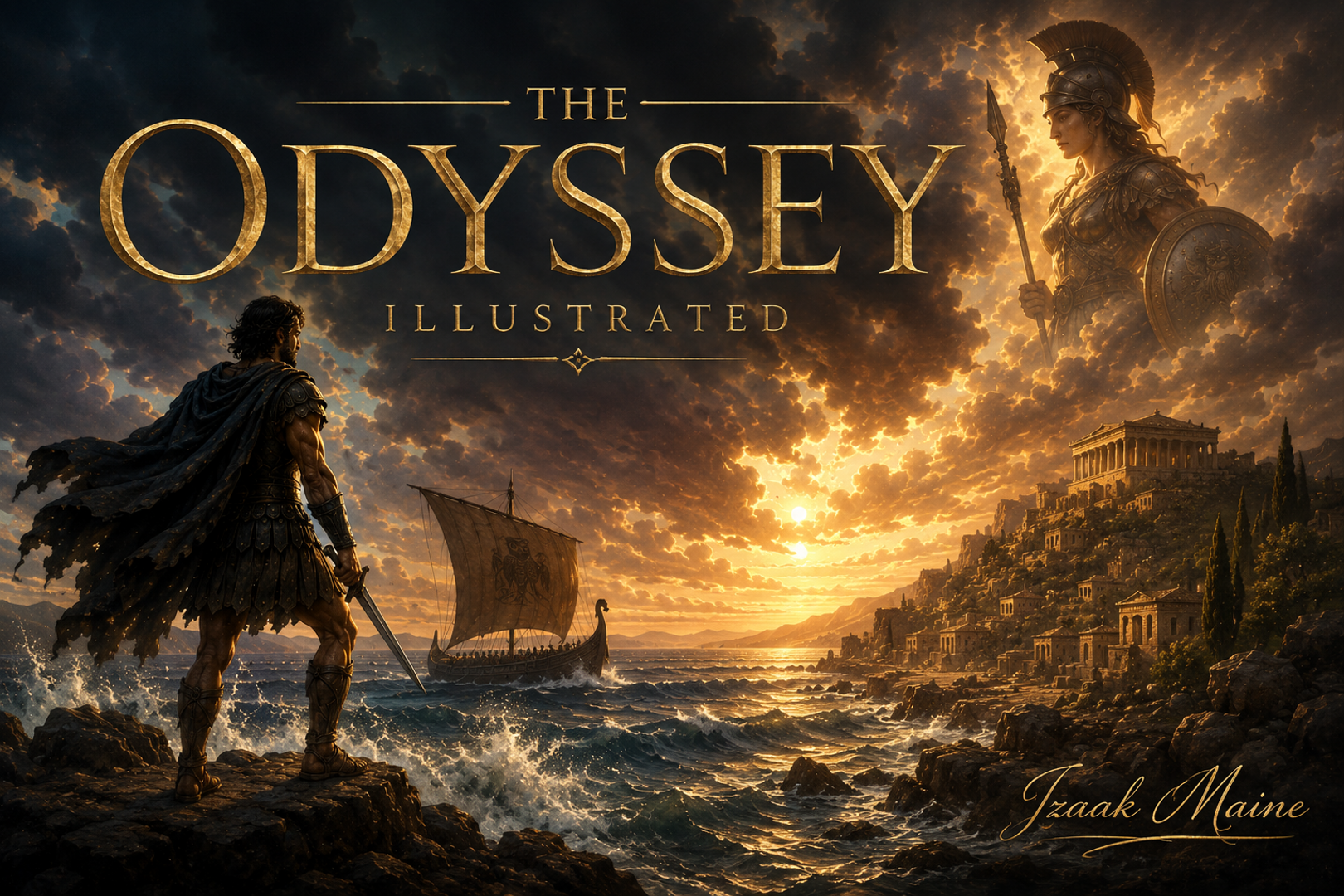
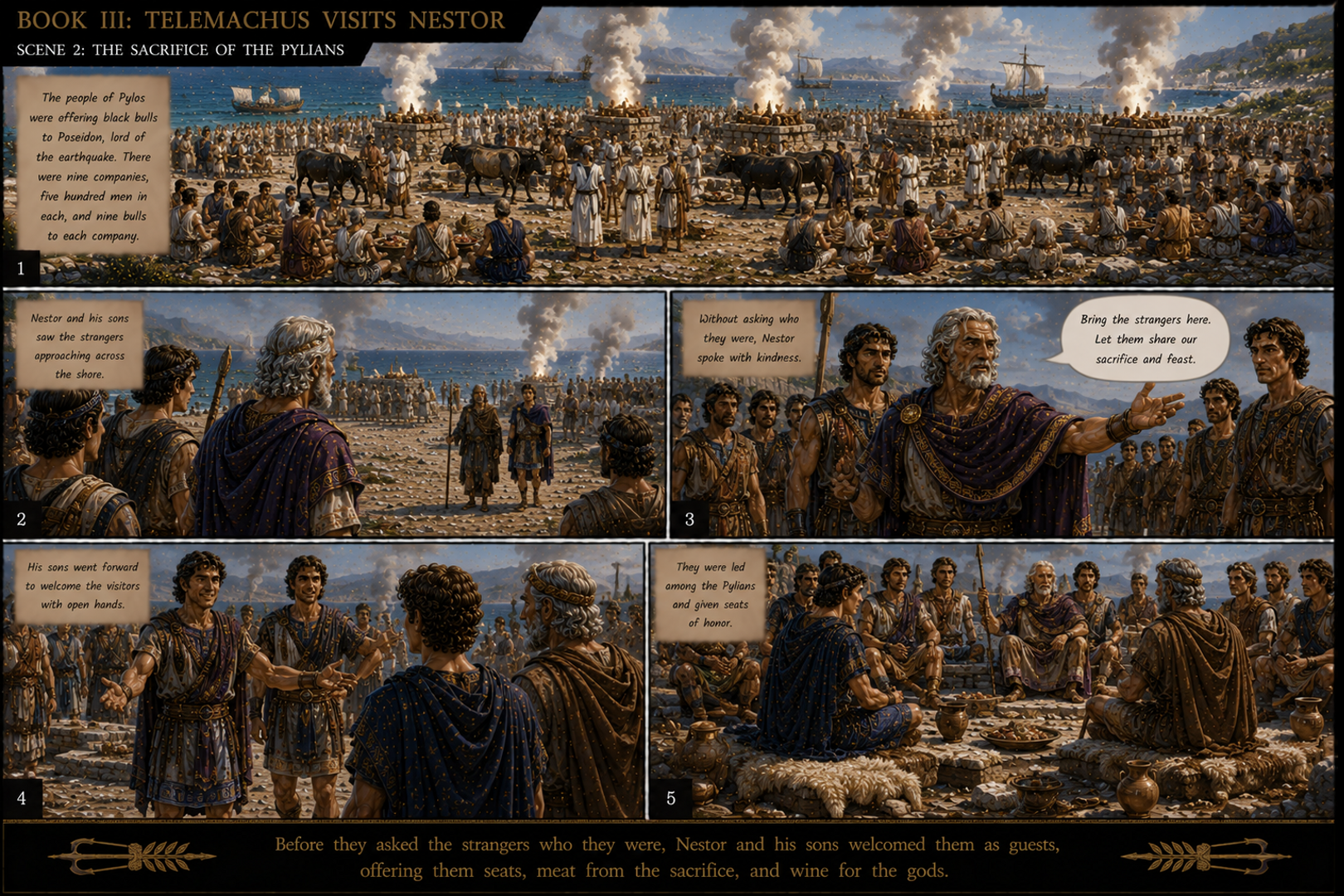
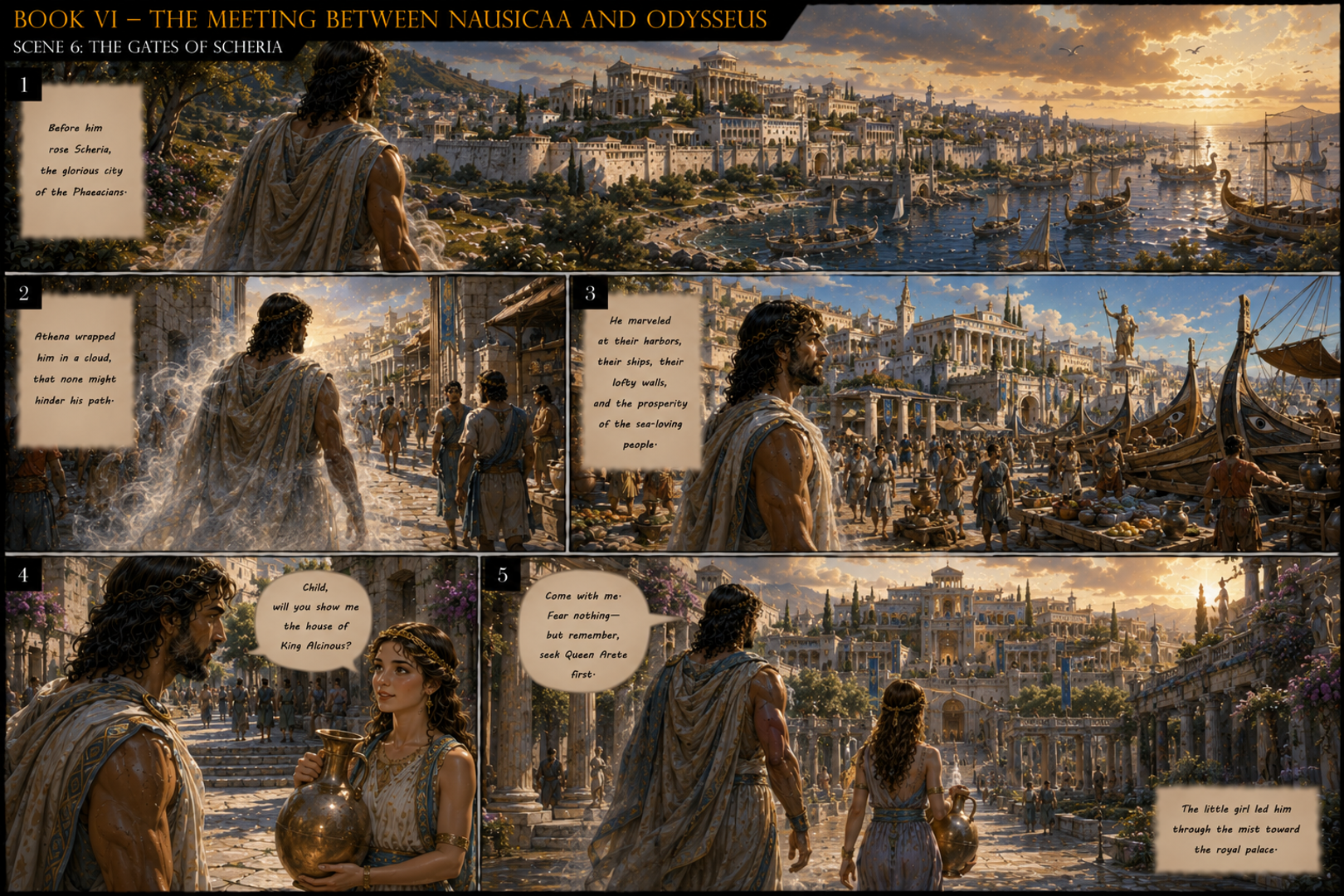
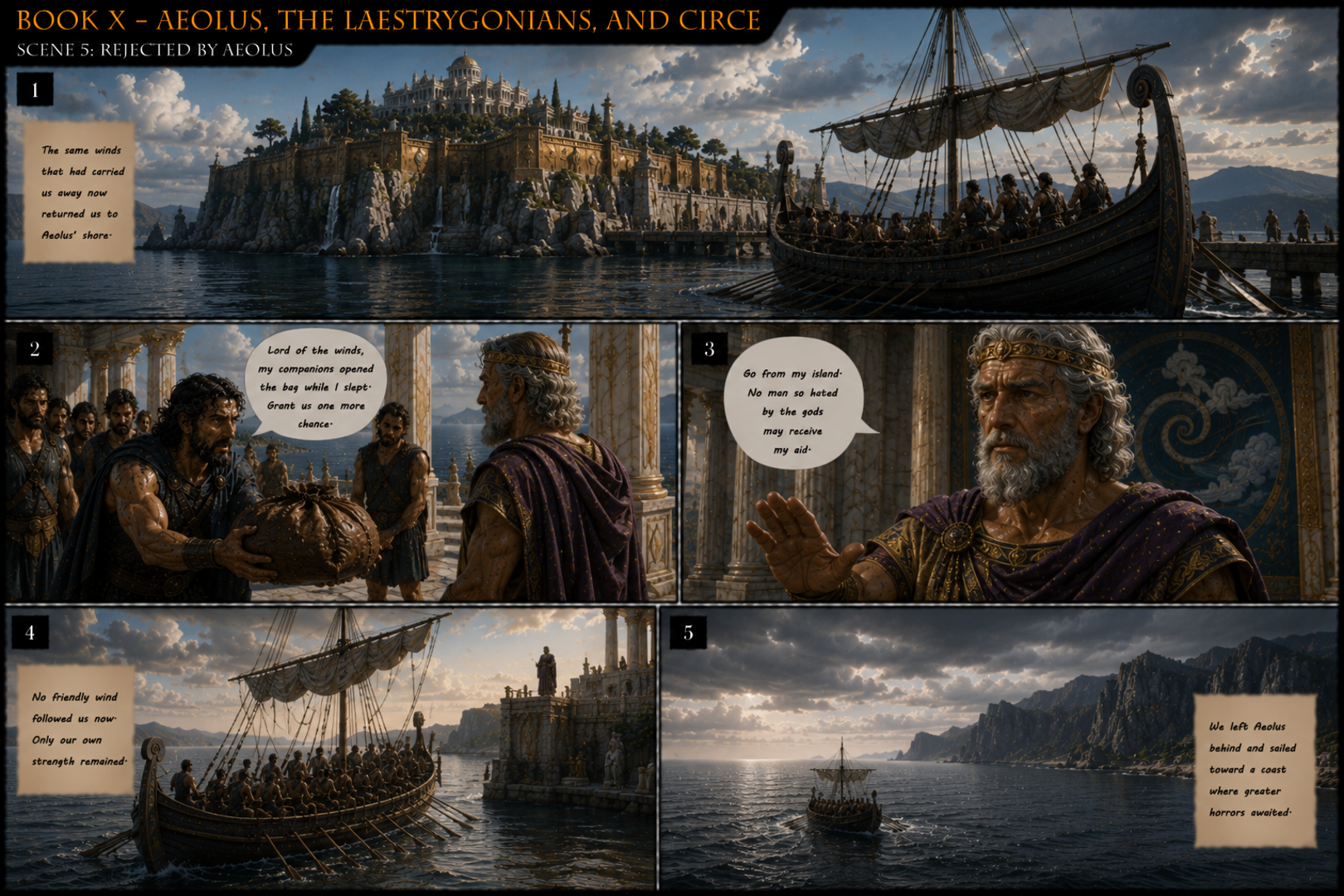
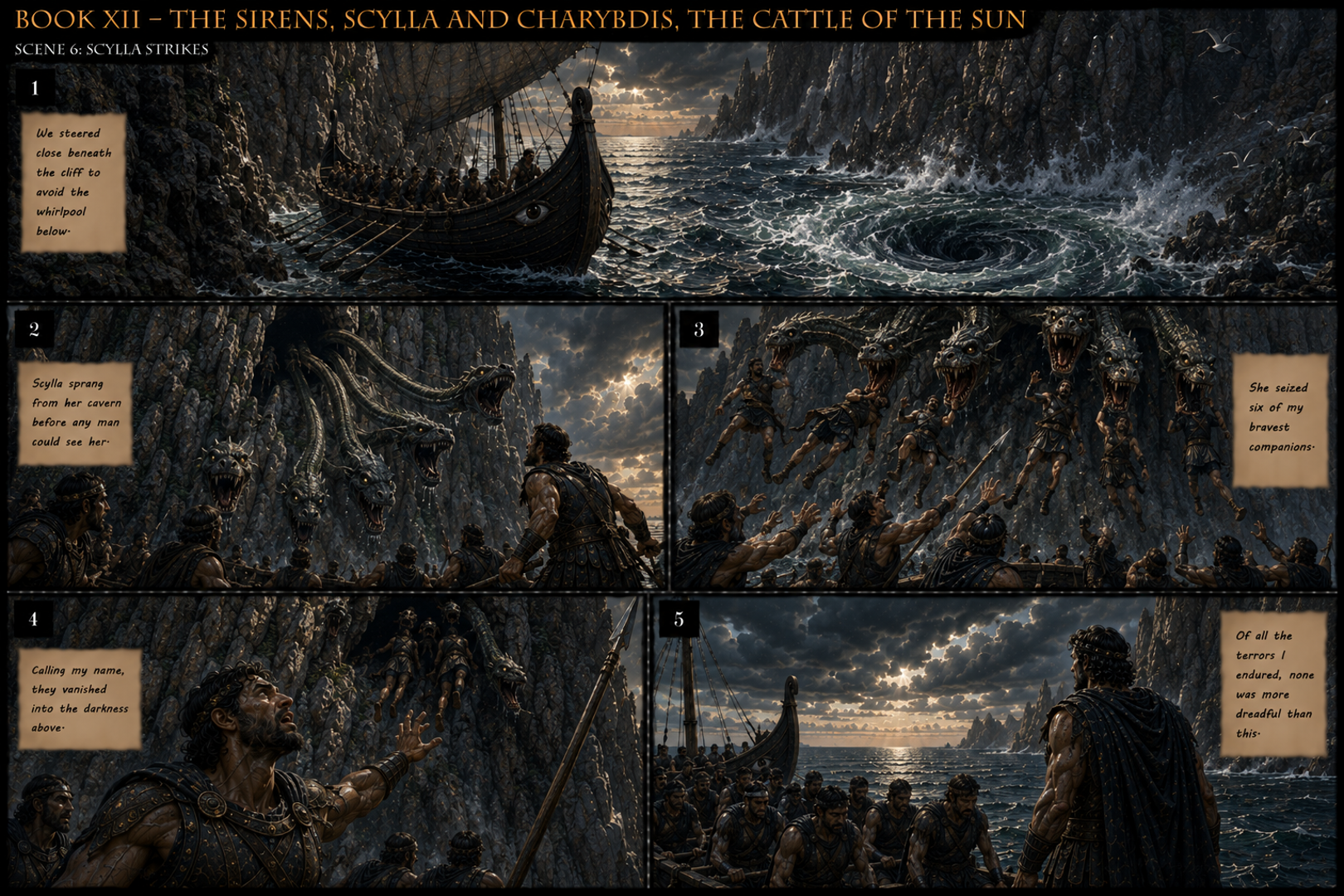
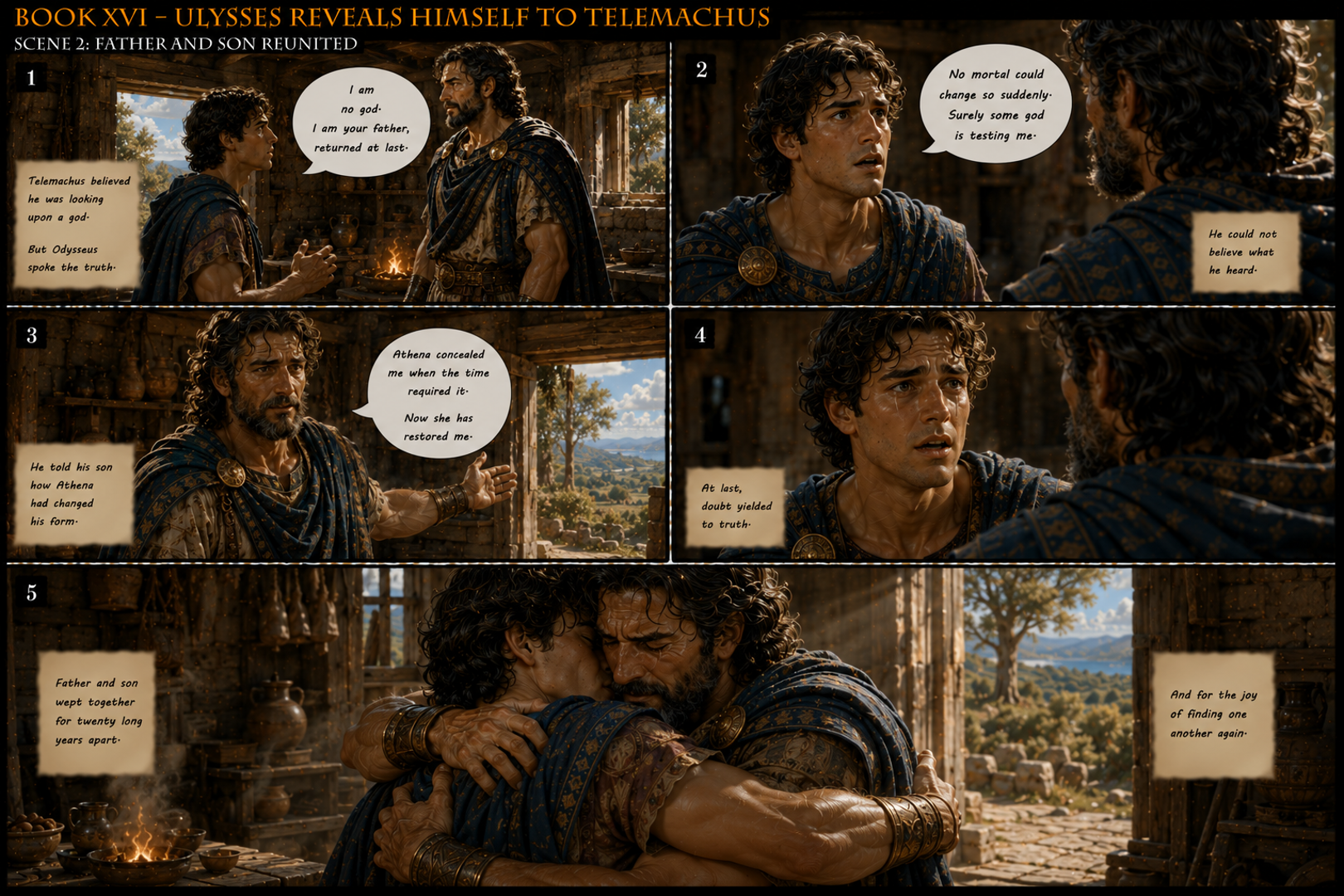
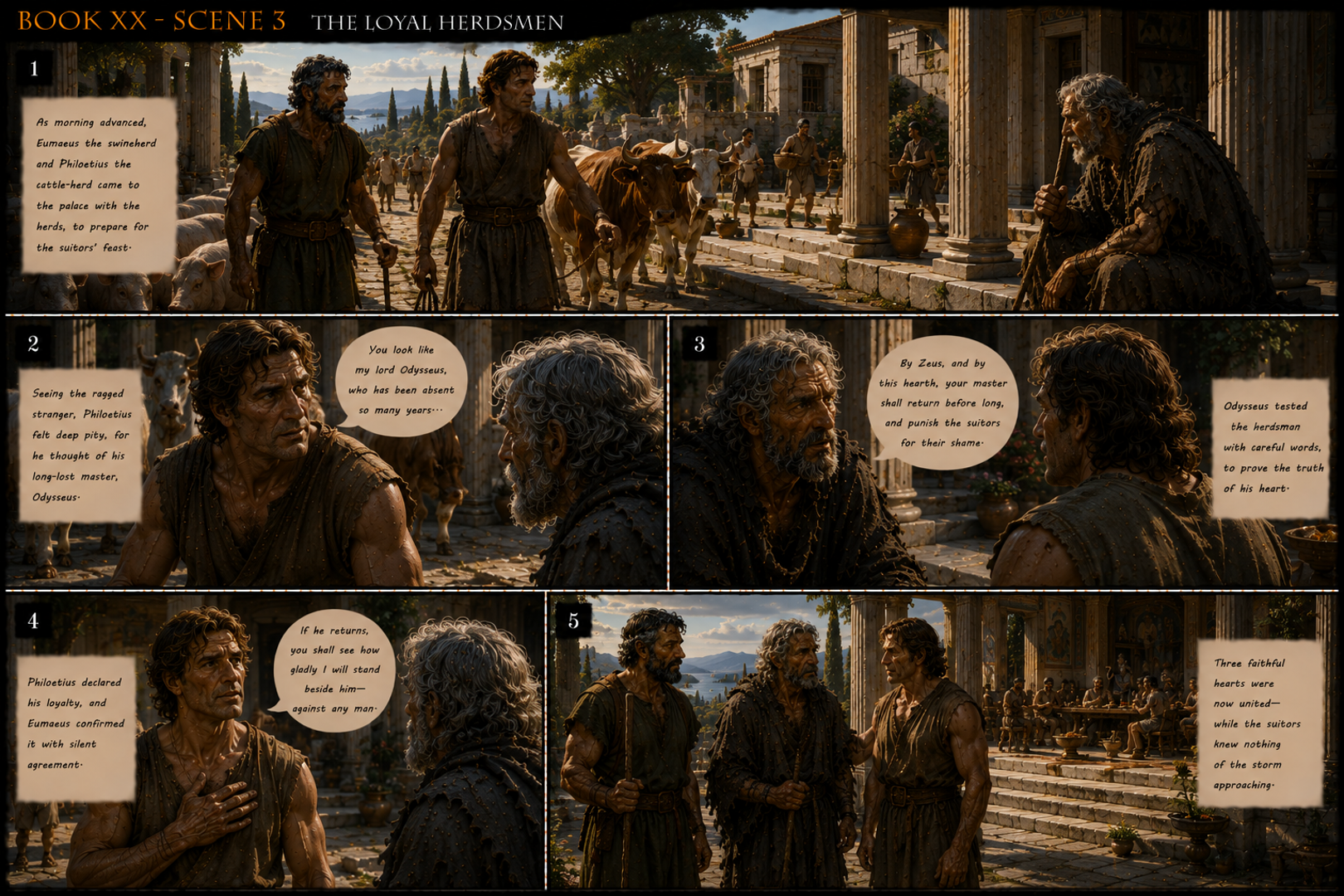
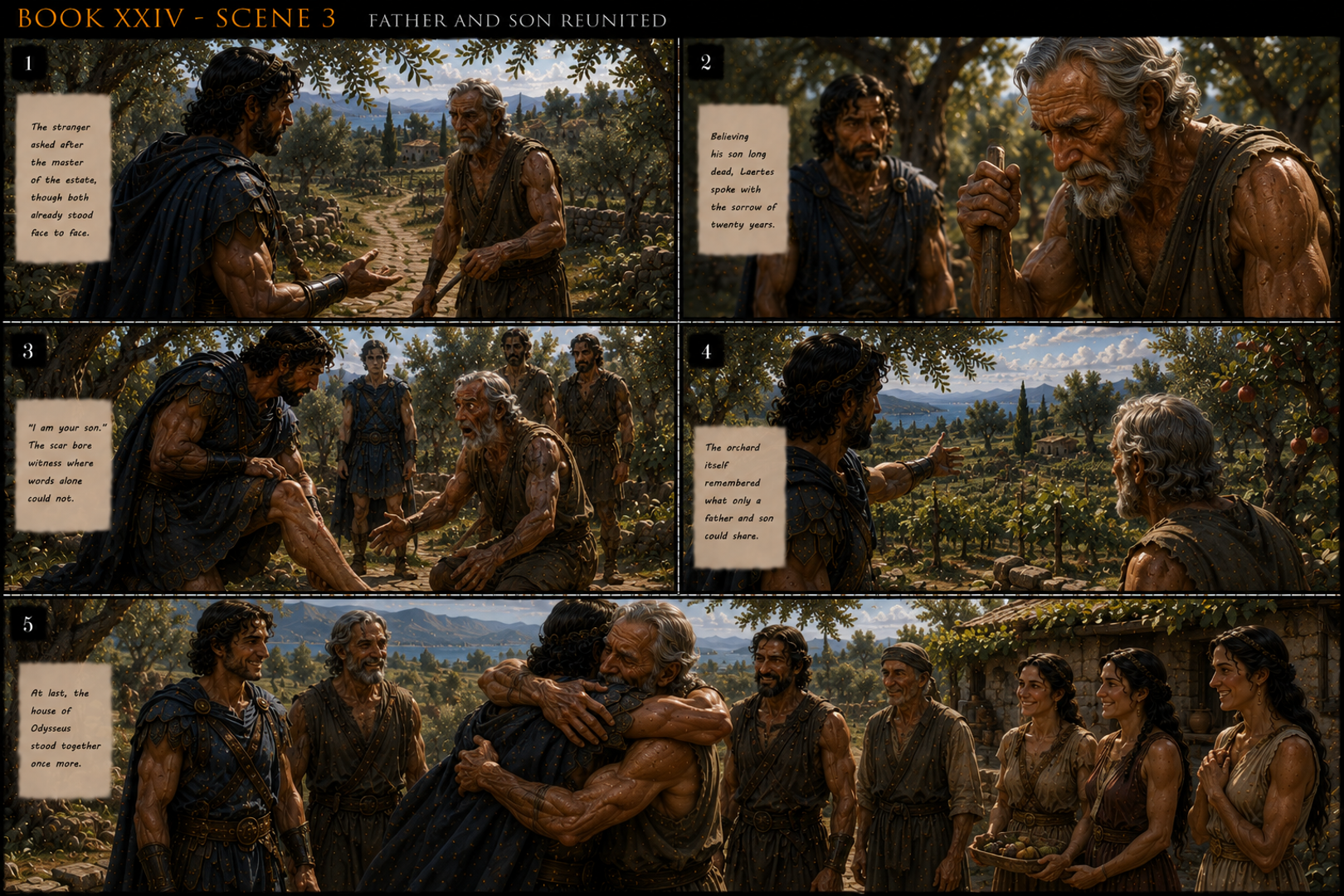
Sample frames are embedded from the open-source teaser repository.
 |
 |
 |
 |
 |
 |
 |
 |
| Deliverable | Link |
|---|---|
| Publication-ready PDF | Open PDF |
| 15-second teaser video | Open teaser repository |
No credentials are required for the linked repository or demo materials.
- Workflow architecture matters more than prompt quantity.
- Reusable abstractions outperform ad hoc prompting.
- Long-form AI publishing is primarily a systems problem: planning, consistency, review, compilation, and release all need structure.
- Support additional public-domain sources from Project Gutenberg.
- Generalize the workflow into reusable publishing pipelines for other genres and formats.
- Explore educational publishing workflows for classics, history, science, and language learning.
- Invite open-source collaboration around planning schemas, compilation tools, review workflows, and sample projects.
This repository is licensed under the MIT License.